
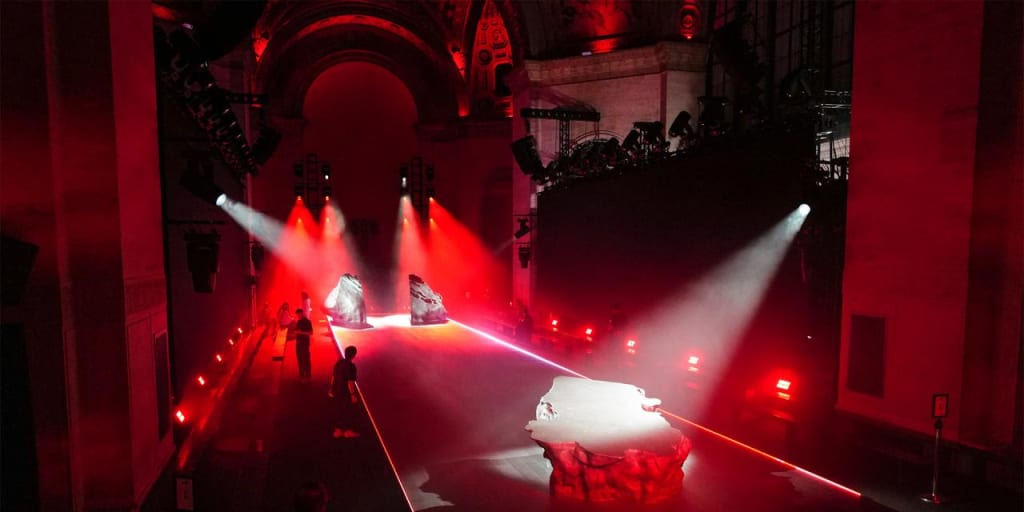

New York Fashion Week has always been a space where fashion meets cultural evolution — and this season, Puma made a powerful statement by returning to the runway with a vision rooted equally in heritage and innovation. The global sportswear giant staged an ambitious comeback presentation that didn’t just showcase clothing; it told a story about identity, legacy, and the future of sport-fashion.
Puma Returns to the NYFW Spotlight
On Tuesday night at the iconic Cipriani 25 Broadway, Puma unveiled Futrograde, an immersive runway experience designed to celebrate the brand’s past while projecting its future. The show marked Puma’s long-awaited return to New York Fashion Week, signaling a renewed commitment to the U.S. fashion landscape ahead of its milestone anniversary.
Rather than presenting a traditional runway, Puma created a fashion extravaganza blending storytelling, technology, and cultural commentary. The concept asked a compelling question: How can a brand communicate decades of history while defining what comes next — through fashion alone?
The answer came through a carefully curated fusion of sport, streetwear, and digital innovation.
Celebrating 75 Years of Sport and Style
As Puma approached its 75th anniversary, the Herzogenaurach, Germany-based brand chose New York — not Paris or Milan — as the stage for its reinvention. According to global creative director Heiko Desens, New York Fashion Week offers a more progressive and open platform, perfectly aligned with Puma’s evolving identity.
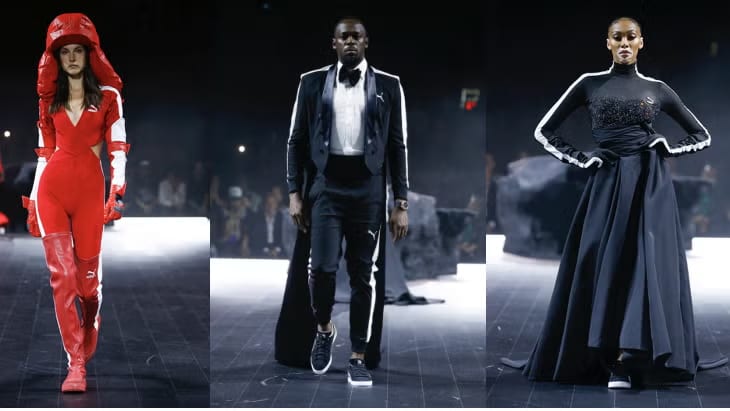
The immersive Futuregrade experience transformed the downtown Manhattan venue through light installations, music, and projection effects. The presentation merged past, present, and future, featuring:
- Archive-inspired retro designs
- Futuristic silhouettes
- Upcoming collaborations
- Custom experimental pieces
- Men’s and women’s collections
The result was a dynamic exploration of Puma’s expertise at the intersection of sports performance and fashion culture.
The T7 Tracksuit: A Cultural Icon Reimagined
At the heart of the show was Puma’s legendary T7 tracksuit, first introduced more than 50 years ago. The design helped expand Puma beyond footwear, bringing the iconic formstrip and jumping-puma logo into apparel — and ultimately into street culture.
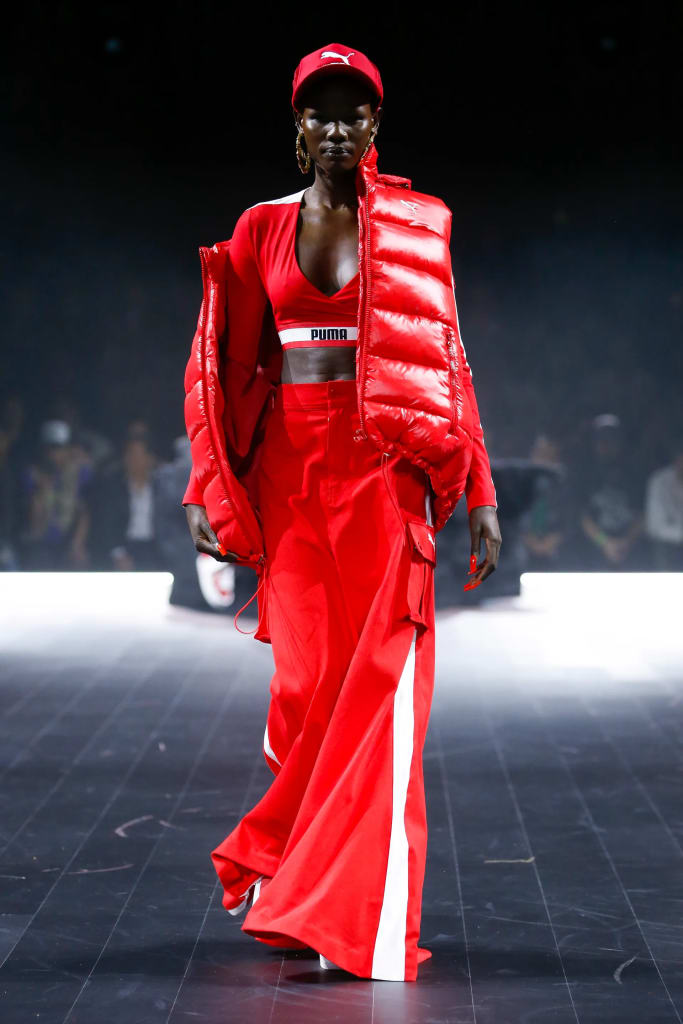
Creative director June Ambrose, who curated the show, reframed the T7 as a symbol of evolution rather than nostalgia. Across nearly 78 looks, the silhouette appeared reinterpreted through modern tailoring, cigarette pants, and even motorcycle-inspired constructions.
“It’s all about the journey of the T7,” Ambrose explained, emphasizing that classics can remain culturally relevant when reimagined with bold creativity. “It’s a classic, but it can still make noise.”
Her vision connected Puma’s archive to contemporary fashion language, proving heritage pieces can still lead trends without losing authenticity.
Collaborations That Bridge Fashion and Culture
The runway also highlighted Puma’s collaborative energy, unveiling partnerships with:
- Dapper Dan
- Palomo Spain
- AC Milan
- Koche

Additionally, audiences received a first look at the upcoming Puma x June Ambrose collection, set to launch next year. Ambrose — an award-winning costume designer and stylist known for shaping the visual identities of artists like Mariah Carey, Mary J. Blige, Alicia Keys, and Jay-Z — has played a crucial role in redefining Puma’s cultural positioning since becoming creative director for women’s basketball in 2020.
“My life and work has been rooted in street culture and developing relationships between urban sensibilities and industries,” Ambrose said, describing the show as a moment meant to inspire generations who want to be seen.
Fashion Meets Digital Innovation
Puma pushed beyond physical fashion by integrating digital experiences into the presentation. The brand introduced NFT footwear concepts and digital avatars that interacted with the show environment, expanding the runway into a hybrid physical-digital space.
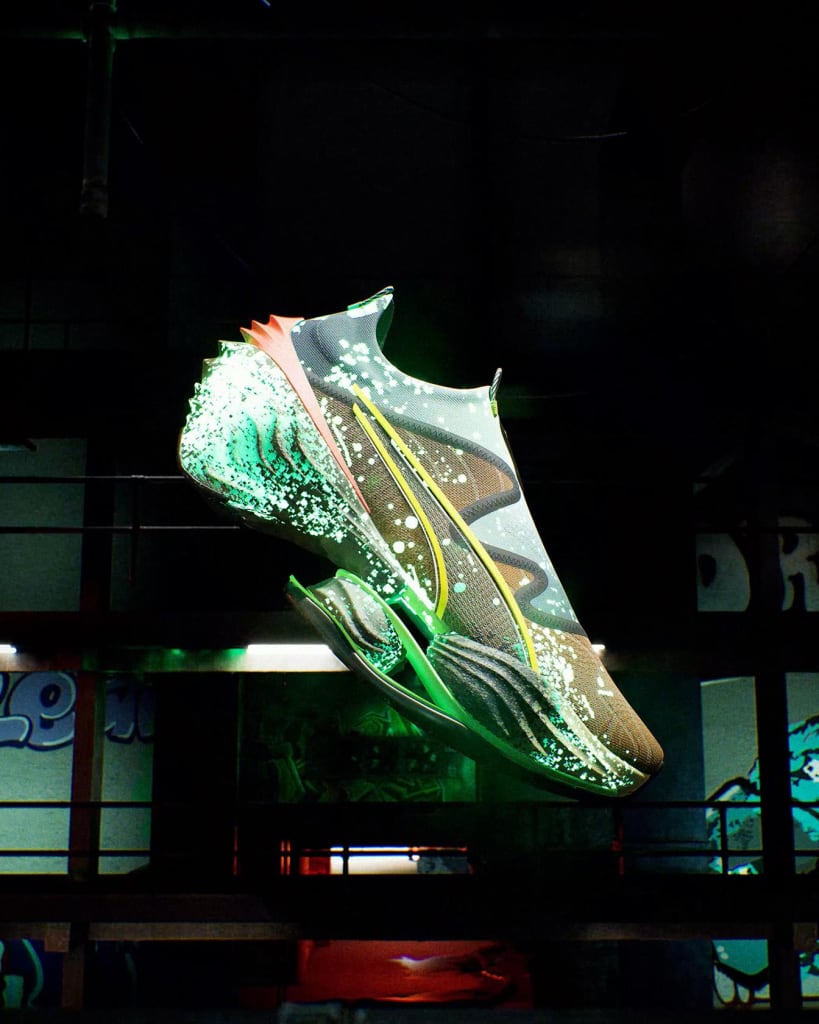
This move reflected fashion’s increasing embrace of technology while reinforcing Puma’s ambition to remain forward-thinking in an era where storytelling extends beyond clothing.
A Brand Experience — Not a Celebrity Moment
Unlike Puma’s last NYFW appearance in 2017, which was closely tied to its collaboration with Rihanna, this presentation intentionally centered the brand itself.

“This show is not led by a partner,” Desens noted. “We wanted it to be a brand experience.”
The creative team drew heavily from Puma’s extensive archive, revisiting timeless icons like the Suede sneaker alongside the T7 tracksuit. These pieces, Desens emphasized, remain ambassadors of the brand — designs that continue resonating with younger audiences decades later.
Balancing Heritage, Growth, and the Future
Chief brand officer Adam Petrick described the show as a pivotal moment following a period of rapid growth driven by the global shift toward casualwear. Puma reported strong financial momentum, with net sales rising significantly and continued growth projected despite economic challenges such as inflation and rising production costs.
For Puma, returning to fashion week was more than visibility — it was strategic storytelling.
“We have a chance to balance our heritage in sports with our relationship with fashion,” Petrick explained. “This show signals our intention for the future.”
That intention remains anchored in Puma’s long-standing philosophy: Forever Faster — a mindset that reflects emotional connection, innovation, and resilience for a brand entering its eighth decade.
Ultimately, Puma’s NYFW comeback wasn’t about nostalgia alone. It was about demonstrating how a sportswear brand can evolve without abandoning its roots. By remixing archive classics through fashion, street culture, and technology, Puma positioned itself not just as a heritage label but as a future-focused cultural player.
In an industry constantly chasing the next new thing, Puma’s message felt refreshingly clear: sometimes the future begins by understanding — and boldly reimagining — the past.
Live Your Dream of Billboards
We Connect Talent With Opportunity
BEFModels helps aspiring fashion models get noticed by promoting them online, connecting them with brands, and offering exciting events and collaborations.
Become a Model – Sign Up

