

Fashion has always been about glamour, creativity, and expression. We usually imagine bright lights, stylish models, and grand fashion shows in cities like Milan. It is a major city in northern Itlay and is considered one of the world’s top fashion and design capitals. Events such as Milan Fashion Week are known for setting global trends and showcasing luxury collections.
But today, fashion is not only about what we see on the runway. Behind the scenes, Artificial Intelligence is playing a major role. From predicting trends to improving online shopping, AI is transforming how the fashion industry works. The shift from runway to algorithm is real, and it is shaping the future of fashion.
The future of fashion is about merging creativity with technology.
Karl Lagerfeld, Fashion Designer
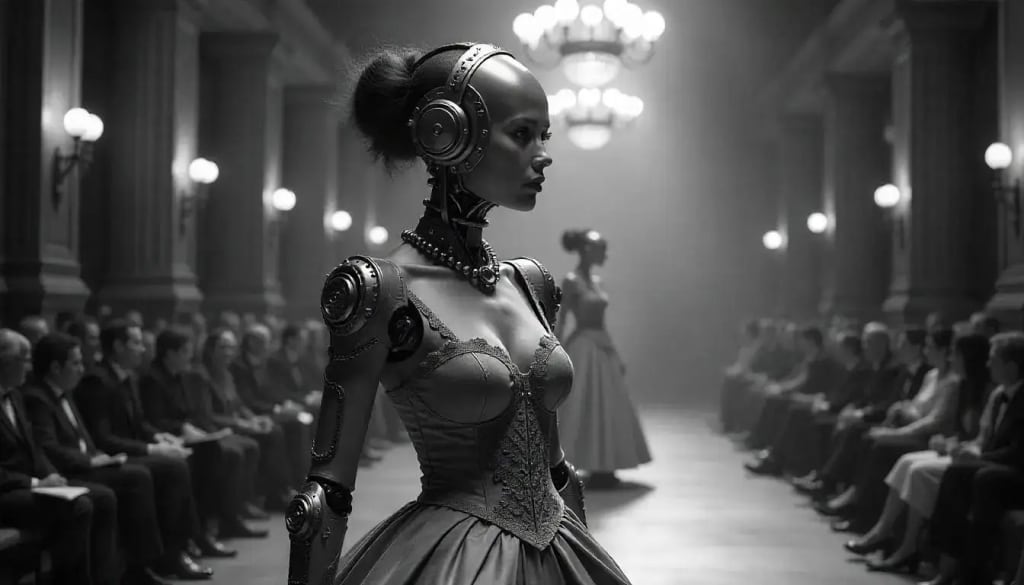
AI and Trend Prediction
Earlier, trend forecasting depended on fashion experts who studied street styles, cultural shifts, and runway collections. Now AI can scan millions of social media posts, online searches, and shopping patterns within seconds.
Brands use AI to understand:
• Which colors are trending
• Which designs are being searched the most
• What customers are buying in different locations
This helps brands produce clothes that people actually want. Instead of guessing trends, companies now rely on real data.
Even after fashion shows in Milan, brands analyze online reactions. They check which outfits get the most likes and shares. This data influences production decisions. So while the runway creates excitement, algorithms decide what reaches stores.
Zara: Fast Fashion with Smart Technology
Zara uses AI to monitor real-time sales data. If a dress is selling quickly in one store but not in another, the system detects it immediately. Production and distribution are adjusted accordingly. This reduces overproduction and keeps the brand responsive to trends.Zara is also working on improving digital shopping experiences. AI-based systems help customers find the right size based on their purchase history and preferences. This makes online shopping easier and reduces product returns.Because of AI, Zara can move faster than many competitors while also managing stock more efficiently.
Gucci: Innovation and Backlash
Luxury brand Gucci has also adopted AI in marketing and personalization. The brand uses AI to recommend products based on customer browsing history and engagement patterns.However, Gucci recently faced backlash after using AI-generated images to promote its upcoming show at Milan Fashion Week.Instead of real models and photographers, Gucci shared AI-created visuals on social media. Some users questioned whether this decision aligned with the brand’s identity of celebrating “creativity and Italian craftsmanship.”
One viral comment said:
“Bleak days when Gucci can’t find a real human Milanese grandmother to wear an outfit from 1976.”
This reaction came after Gucci posted an AI-generated image of a glamorous older Italian woman wearing a classic outfit. Many people felt that using AI instead of real individuals reduced authenticity.This example shows that while AI can offer efficiency and creative possibilities, it can also raise ethical and emotional concerns.

AI in Online Shopping and Virtual Try-OnOnline shopping has become very common, but size and fitting problems are still major issues. AI helps solve this through virtual try-on and smart size recommendations.
AI systems study customer data such as:
• Body measurements
• Past purchases
• Return patterns
Based on this information, customers receive size suggestions that are more accurate. Some fashion platforms are exploring virtual fitting rooms where customers can see how outfits might look on them digitally.This improves the shopping experience and reduces return rates, which also supports sustainability.
Personalized Fashion Experience
AI has also made fashion shopping more personal. When customers visit online stores, they often see product recommendations that match their style. This happens because AI studies browsing behavior and suggests similar items.For example, if a customer frequently searches for formal wear, the system will show more blazers, dresses, or tailored outfits. Brands like Gucci and Zara use such systems to improve engagement and increase sales.Personalization makes customers feel understood and increases brand loyalty.
AI and Sustainability
Sustainability is one of the biggest challenges in fashion. Overproduction leads to waste and environmental damage. AI helps brands predict demand more accurately, which reduces excess stock.
For example, Zara uses data-driven systems to manage inventory. Producing according to demand reduces unsold items and minimizes waste.
By improving supply chain management, AI supports a more responsible approach to fashion production.
The fashion industry is evolving fast. While runway shows still represent glamour, creativity, and culture, algorithms and AI now guide many decisions behind the scenes. From trend forecasting and virtual try-ons to personalized shopping and smarter supply chains, AI is making fashion faster, more efficient, and more connected to customer needs.
At the same time, technology must balance with authenticity, creativity, and craftsmanship. Fashion is not losing its human touch — it’s becoming smarter and more innovative, blending artistry with data.
Therefore, the journey from runway to algorithm is no longer just the future; it’s the present reality, shaping how we create, shop, and experience fashion today.

